Prisoner's Library
Hunger Strikes
Since 1967, Palestinian prisoners in Israeli jails have resorted to hunger strikes as a form of protest to win collective or individual rights.
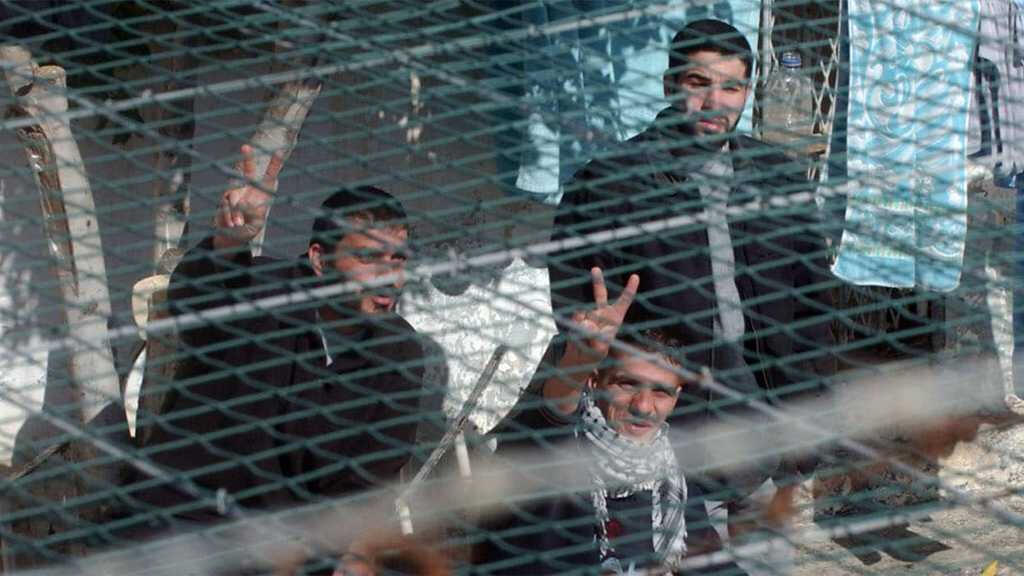
First collective hunger strike, Ramle and Kfar Yona prisons, 11 days.
Feb-Mar 1969
Prisoners protested against meagre portions of bad quality food and demanded that stationery be allowed into the prison. They also wanted more yard time and protested against being forced to address prison guards with a “yes, sir”. The strikes ended with a crackdown on prisoners, with many put in solitary confinement.


First women prisoners’ strike, Neve Tirza prison, 9 days.
Apr-May 1970
Prisoners demanded access to women’s sanitary supplies as well as an end to beatings and solitary confinement.In response, they were subjected to humiliation and punishment, but some of their demands were met, including allowing sanitary products in and extending the time they were allowed outdoors.
First Palestinian dies on hunger strike, Ashkelon prison, 7 days.
July 1970
Abdul Qader Abu al-Fahm died as a result of force-feeding during a strike to demand improved prison conditions.At the time, prisoners were beaten and fed scarce food. None of their requests were met.

Nafha prison in the Negev desert and others, 32 days.
Jul-Aug 1980
Detainees at Nafha prison in the Negev desert faced particularly harsh conditions. In a letter to the United Nations Secretary General in 1980, the permanent representative of Qatar Jasim Jamal sought to draw attention to the “suspicious” death of two prisoners during the hunger strike, Shehdeh Mohammed Al-Ja'afari and Rassam Mohammed Halawa, later found to have died of force-feeding.The strikers eventually achieved their demands. Beds were set up for the first time in Nafha and other prisons, and cell sizes were extended.

Juneid prison, Nablus, 13 days.
Sept-Oct 1984
Historic gains for prisoners including access to TV and clothes. More than 700 prisoners joined the strike at the prison in Nablus, in the northern West Bank.The strike is considered a turning point as prisoners achieved many of their demands, including access to television and radio, as well as clothes.
Khader Adnan reaches deal to end his detention without charge, 66 days.
Dec 11-Feb 12
The case of Palestinian prisoner Khader Adnan, who refused food for 66 days to protest his administrative detention without charge or trial, attracted worldwide attention.He agreed to end his hunger strike after a deal was struck for his release. Adnan would later be re-arrested and engage in more hunger strikes in protest.

Hunger strike against detention without charge or trial. Various prisons, 28 days
Apr-May 2012
Approximately 2,000 prisoners took part in a hunger strike to demand an end to administrative detention and punitive measures such as isolation and denial of family visits. Four of the hunger strikers spent over two months without food.In a deal brokered by Egypt and Jordan, Israel agreed to limit administrative detention to six months unless new evidence emerged against a suspect. In total, 400 prisoners from Gaza were allowed to receive family visits and those in solitary confinement were returned to normal cells.

Samer Issawi ends the longest ever fast after securing his release, 166 days.
Aug 12-Apr 13
Issawi survived only on intravenous vitamins and minerals for a record-breaking half year. Issawi started the hunger strike to protest his re-arrest following his release as part of a prisoner swap deal to free kidnapped Israeli soldier Gilad Shalit. He had been originally sentenced to 26 years for his involvement during the second Intifada in 2002.

1,500 prisoners on strike led by Marwan Barghouti, 40 days.
Apr-May 2017
Popular jailed politician Marwan Barghouti led a hunger strike to demand better conditions for prisoners. Barghouti was sentenced to five life sentences in 2004 for his role in the Intifada.Barghouti’s popularity was strengthened by the end of it, when a deal was reached with the Israeli authorities.

17 administrative prisoners on hunger strike. Ends with Hisham Abu Awash deal after 141 days.
Jul 21 - Jan 22
Hisham Abu Awash was the last of 17 prisoners who began a hunger strike against their administrative detention in July 2021. Four of them, including Abu Hawash, were pushed into more than 100 days on strike and in critical condition.All reached deals with the Israeli authorities that their detention without charge or trial would not be renewed at the end of the six-month term.